Thursday, October 1, 2015

Vijeta - you feel like a victor watching it!


Govind Nihalani has been one of the foremost flag bearers of what has come to be known as the "parallel cinema movement" in the Hindi film industry. Starting off as a cinematographer who ably assisted Shyam Benegal in bringing unforgettable stories like "Ankur" and "Bhumika" to life, Nihalani made his directorial debut with "Aakrosh" - a grim tale of exploitation of the downtrodden and corruption in the judicial system. The grittiness, which was on display, was there for all to see in his subsequent ventures like "Ardh Satya", "Party", "Aaghaat" etc. However, his very second movie "Vijeta", released barely two years after "Aakrosh" would be a surprise, certainly not unpleasant, for anyone who has been introduced to Nihalani through his tales of stark realism.
That is not to say that "Vijeta" is a work of fantasy like most Bollywood potboilers are. The movie has a thoroughly believable plot, authentic characters and is devoid of songs, dances and the assorted titillations which make up a "masala" film. Despite that, there is a feel good factor about this movie, a rare uplifting quality, which we do not associate with art films. 
Prima facie it is what we call a "coming of age" story, revolving around Angad Singh, a Bombay-bred young Sikh born to a Maharashtrian mother and father who meanders aimlessly through life until making an abrupt foray into the tough world of Indian Air Force the demands of which force him to come out of his shell.

Needless to say, Angad Singh emerges as a "vijeta" (victor) in the battlefield of a war between two nations as well as the battlefield within himself. 
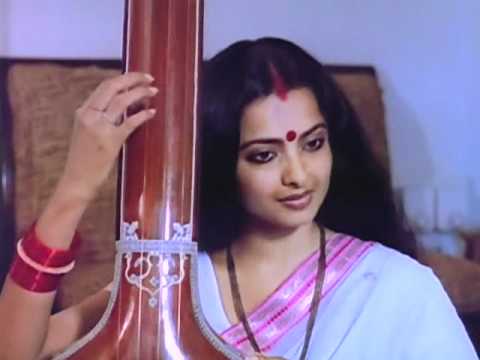
But what is really remarkable that its brilliant scriptwriters - Dilip Chitre and Satyadev Dubey - come out with a screenplay in which no character can be termed as a loser. Every character appears to be a victor in his or her own way. Let us take for example the character played by Shashi Kapoor. Nihal Singh, Angad's father, is a Sikh who escapes the trauma of Partition, settled down in Bombay with his mother (played to perfection by Deena Pathak), marries Neelima (Rekha, about whom a few words will be said later) and becomes a part of the advertising industry to eke out a comfortable living. In his emotional vulnerability, Nihal is matched only by his own son Angad which leaves the relationship between for much part of their lives. Though not an incorrigible philanderer, Nihal's impetuosity leads him astray much to the obvious distaste of Neelima and to the horror of a young and impressionable Angad.
Realizing, after many brusque episodes with his wife and son, that vanity is going to offer no solace the sardar finally learns the right lessons, loosens up and starts respecting vulnerability - within himself, his son Angad and all else whom he comes across in the journey of life.
This is about two characters which seem to be infested with the biggest flaws. The others are simply inspiring though not in the quixotic sense of the term. Neelima comes across as a woman of steely resolve with loads of compassion without which do not make her appear or sound cold.
When her husband tries to explain away his escapades by suggesting that the woman he got briefly entangled with was loose, she is quick to retort that while she could have been a struggler compromising herself to secure a career, he had wittingly or unwittingly exploited her and was later trying to justify himself. The reserved Neelima never lets her disgust to spill out before Angad, even though this does not prevent the young lad from knowing what she did not want him to know. Moreover, her differences with Nihal do not affect the relationship she shares with the latter's old mother and even her brother (Om Puri in a fine cameo) - when he visits their place - makes it a point to seek the blessings of the old Bi ji before talking to anyone else. In a way, Neelima facilitates the redemption of her husband and by virtue of her stoic support to his son's painful attempts at self-discovery, helps Angad evolve into a man capable of empathy and enduring the toughest challenges and the greatest tragedies.

There is also an advocacy of pluralism in the most non-preachy fashion. Nihal has cut his hair short after coming to Bombay. But when his son his born, his mother insists that he be brought up as a Sikh who wears his turban and beard. This becomes possible since Neelima - a Maharashtrian Hindu who practices classical music - raises no objection. No scenes are created when Angad falls in love with Anna (Supriya Pathak), the daughter of his Chief Instructor (Amrish Puri brilliantly plays an officer who can be both tough as well as tender) though they happen to be devout Christians. Neelima gets killed in a road accident leaving the father-son duo alone. Tragedy soon befalls Anna as well as her robust father succumbs to an attack of galloping cancer. War breaks out and Angad is out defending his borders. Anna moves into Nihal's house and the effortless ease with the two establish an emotional bond is simply heartwarming.
There is also an invaluable sequence in which the perils of untamed nationalism are exposed - so relevant to our times. One of Angad's colleagues ejects when his aircraft catches fire. He does not land in enemy territory, yet local inhabitants - except for a few patient but ineffectual elders - mistake him for a soldier belonging to the enemy country and are hell bent upon lynching him. This, even when he has not yet pronounced his name which would have revealed his Muslim identity as well. Timely arrival of an IAF helicopter saves his life but the question posed by the episode holds as much relevance today and more so for the educated middle class than the illiterate villagers whom the aforesaid sequence featured.
Yet another highlight of the film is technical, though it would not be lost on anybody who is not indifferent to splendour. As said earlier, Nihalani had started off as a cinematographer and here he displays his command over the camera with consummate finesse. Angad's training at the IAF has been shown in great detail which include the hiccups he faces in mastering his flyingo  lessons. Nihalani performs magic through his lens making us share Angad's fear, anxiety, panic and subsequent discovery of self-confidence.
For anyone who has undergone a tough and depressing phase and wishes to recover through something sensibly refreshing, "Vijeta" is what the doctor may prescribe!

Sunday, December 14, 2014

राज कपूर - परिभाषाओं में नहीं बंधने वाला एक कलाकार


            राज कपूर यदि आज जीवित होते तो उम्र के नब्बे साल पूरे कर रहे होते। परिस्थितियों और, कुछ हद तक, उनकी अपनी जीवन शैली ने यह सुनिश्चित किया कि वो लम्बी ज़िंदगी न जी सकें। आज से छब्बीस साल पहले इस जीनियस ने, जिसे बहुधा लोग "शोमैन" के सीमित खांचे में ही देख पाते हैं, अपनी आँखें मूँद लीं। मगर क्या यह कहा जा सकता है कि राज कपूर को एक छोटी ज़िंदगी मिली? उनकी शौक़ीन मिजाजी को प्रशंसा, ईर्ष्या, वितृष्णा और विद्रूप के मिले-जुले भावों के साथ याद करते हुए सहज ही कहा जा सकता है कि उनकी ज़िंदगी के चौंसठ साल जीवेत शरदः शतम की सनातन आकांक्षा पर भारी थे। 
          जिसकी हम तारीफ़ करना चाहते हैं उस पर कोई आकर्षक लेबल चस्पा करने की इच्छा बलवती हो उठती है। शोमैन की उपाधि उन्हें पहली बार जब भी जिस किसी के द्वारा दी गयी होगी वह ऐसी ही किसी बलवती इच्छा का शिकार रहा होगा। यह कहना हमारा मकसद नहीं है कि वे शोमैन नहीं थे। बेशक वे लोगों का मनोरंजन करने वाली फिल्में बनाते थे और व्यावसायिक सफलता के उन्होंने कीर्तिमान स्थापित किये थे। किन्तु एक फिल्मकार के तौर पर उनके सफर को देखने पर यह कहने का हौसला नहीं रह जाता कि वे महज़ एक तमाशेबाज़ थे जिसका उद्देश्य सिर्फ पैसा कमाना था।  
          आजकल कुछ महान नेताओं की कृपा से वंशवाद को खूब गरियाया जा रहा है। राज कपूर पॉलिटिक्स में नहीं थे। मगर सियासी मौसम ने अगर अपना असर फ़िल्मी दुनिया पर छोड़ा तो शायद उनको भी पृथ्वीराज कपूर के बेटे होने और इस वजह से मिली सहूलियतों के लिए कोसा जाएगा। बेशक राज कपूर में सिकंदर की भूमिका  निभा सकने की योग्यता तो नहीं ही थी। मगर वे तो उस दौर की उपज थे जब साहित्य की भांति सिनेमा भी अपने दौर की कहानियां कहने को बेचैन था। 
 और इस बात को कौन नकार सकता है कि आधुनिक भारत के मानव को परदे पर जीने के मामले में उन्होंने अपने पिता को मीलों पीछे छोड़ दिया। 
            हम लोग मूल्यांकन करने में भी कुछ रस्में गढ़ लेते हैं। एक रस्म यह बन गयी है कि राज कपूर, दिलीप कुमार और देव आनंद की "तिकड़ी" का ज़िक्र किया जाएगा भले तीनों कभी एक फिल्म में भी साथ न आए हों। राज और देव तो एक दुसरे के साथ भी फिल्म में नहीं दिखे। इन तीनों के लिए भी सुविधाजनक खांचे तैयार कर लिए गए हैं - देव आनंद रूमानी भूमिकाओं के सिरमौर, दिलीप कुमार एक संजीदा ट्रेजडी किंग और राज कपूर चार्ली चैपलिन का भारतीय संस्करण!
          इन तीनों में कौन सर्वश्रेष्ठ था इस बचकानी बहस में हम नहीं पढ़ना चाहते मगर सबसे यह इल्तिजा ज़रूर करना चाहेंगे कि राज कपूर को याद करते हुए थोड़ी देर के लिए चार्ली चैपलिन को किनारे रख दीजिए। ऐसा करने पर ही देख पाएंगे उस राज कपूर को जो "आवारा" और "श्री 420" से बिलकुल अलग था। हालांकि यह दोनों भी बेहतरीन फिल्में थीं और राज कपूर इनमें जंचे भी थे। 
         आजकल प्रचार का ज़माना है और कोई भी ढलती उम्र वाला अभिनेता किसी फिल्म के लिए अपना नाक-नक्शा थोड़ा बिगाड़ लेता है तो इस बात की खूब चर्चा होती है कि देखिये कितना समर्पित और साहसी कलाकार है, किसी "इमेज" में नहीं बंधता है। ऐसे कलाकारों से बिना किसी प्रकार की नाराज़गी रखते हुए हम अनुरोध करेंगे कि एक बार "जागते रहो" को याद कर लीजिये। यह कहना कि उन्होंने इसमें अच्छी एक्टिंग की है, सही मगर बेहद नाकाफी होगा। इस फिल्म को देखते हुए जो एक और बात महसूस होती है वो है जोखिम उठाने और प्रयोग करने का उनका साहस। इस तस्वीर को देखिये और कल्पना कीजिये उस हौसले की जिसने उन्हें प्रेरित किया होगा यह अजीबोगरीब हुलिया लेकर लोगों के सामने आने की। 
गौर कीजिये कि राज कपूर उस समय जवान ही थे और "चरित्र अभिनेता" टाइप की भूमिकाएं नहीं कर रहे थे। यह फिल्म 1956 में आई थी। इसी साल वे "चोरी चोरी" में विशुद्ध "फ़िल्मी" ढंग से पेश आए थे। और महज एक साल पहले "श्री 420" की अपार सफलता ने उनके ग्लैमर को नई ऊँचाई प्रदान की थी। बावजूद इसके न सिर्फ उन्होंने इस फिल्म में मुख्य भूमिका निभाए बल्कि इसकी गैर-परम्परागत कहानी की ताकत को पहचाना और इससे बतौर निर्माता भी जुड़े। फिल्म में हलके-फुल्के नाच-गाने और प्रहसन दृश्य हैं मगर शहरी मध्यवर्गी जीवन की नैतिक सड़ांध को इस फिल्म ने परदे पर तब उकेरा था जब यथार्थवादिता एक "फैशन स्टेटमेंट" नहीं बनी थी। 
           एक और फिल्म जिसमें राज कपूर की भूमिका उल्लेखनीय कही जाएगी वो है "तीसरी कसम"। लोग इसको ज़्यादातर रेणु की कहानी और शैलेन्द्र के गीतों के लिए याद करते हैं मगर इन विशेषताओं के बावजूद यह फिल्म वांछित प्रभाव छोड़ने से वंचित रह जाती अगर राज कपूर ने हिरामन को साकार न कर दिया होता। वर्तमान में कई अभिनेताओं द्वारा "बिहारी" अथवा "पुरबिया" लहज़े में संवाद अदायगी कर देने पर लट्टू हो जाते समय कभी-कभी कोशी नदी के किनारे रहने वाले एक तांगेवाले को जीवंत कर देने वाले इस अद्भुत प्रयोग को याद कर लेना मुनासिब रहेगा। तुलना करने से चिढ होती है फिर भी प्रचलित अवधारणाओं में जीने वालों को यह चुनौती देने की इच्छा होती है कि "गंगा जमुना" के दिलीप कुमार और "तीसरी कसम" के राज कपूर को अगल-बगल रख लीजिये और फिर कहिये कि "खांटी" आदमी किसमें नज़र आता है।    
               बहरहाल, यह तो हुई अभिनेता राज कपूर की बात। बतौर निर्देशक भी उनकी यात्रा अनूठी ही रही। "आग" और "बरसात" के अनगढ़पन से "आवारा" और "श्री 420" तक आते-आते वे काफी मंज गए लगते हैं। "आवारा" में कैमरे को लेकर उनकी संवेदनशीलता भी प्रभावित करती है। वह ब्लैक एंड वाइट का दौर था और छायांकन की सीमाएं थीं। मगर परछाईं के द्वारा पात्रों के मनोभावों को कैसे पेश किया जा सकता है यह कमाल किसी को देखना है तो केवल दो दृश्यों के देख ले - एक जिसमें बालक राज की तरफ जग्गा धीरे-धीरे बढ़ रहा है और दूसरा जिसमें युवक राज रीता के साथ समुद्र तट पर खड़ा एक पेड़ पर उँगलियों से रेखाएं खींच रहा है। निर्देशक के तौर पर उनका वैविध्य आगे और भी अचम्भा  पैदा कर देता है जब "संगम" जैसी बेसिरपैर की फिल्म के तुरंत बाद वे "मेरा नाम जोकर"  जैसी क्लासिक लेकर हाज़िर हो जाते हैं और भारी घाटा उठाने के बाद फ़ौरन "बॉबी" जैसी चालू चीज़ परोस कर भरपाई कर लेते हैं! वाकई राज कपूर परिभाषा के परे हैं।  
         "बॉबी" और "संगम" के उदाहरण से यह स्पष्ट हो जाता है कि राज कपूर में गज़ब का "बिज़नेस सेन्स" था जिसने उनको हिंदी सिनेमा के इतिहास के सफलतम निर्माताओं में शुमार कर दिया। मगर यहां भी यह अनोखी बात सामने आती है कि उन्होंने सिर्फ पैसा बनाने वाली फिल्मों को अपना संरक्षण नहीं दिया। बतौर निर्माता वे बहुत सी ऐसी कहानियों को दर्शकों के सामने पेश कर गए जो श्रेष्ठ थी मगर जिनकी व्यावसायिक उपयोगिता प्रथमदृष्टया संदिग्ध थी। बॉक्स ऑफिस के रिकॉर्ड तोड़ने तक ही जिसका सरोकार हो ऐसा निर्माता कभी "बूट पोलिश" की परवाह नहीं करता, "अब दिल्ली दूर नहीं" से जुड़ने का जोखिम नहीं उठाता "जिस देश में गंगा बहती है" में भले साइनिंग अमाउंट बढ़िया रखके काम कर लेता मगर अपना पैसा नहीं लगाता। पैरेलल सिनेमा के आविर्भाव के बाद उनकी फिल्में पलायनवादी मनोरंजन परोसती हुई लग सकती हैं मगर आज भी आर के फिल्म्स की प्रस्तुतियों में एक ईमानदारी नज़र आती है जो एंग्री यंग मैन के कथित अन्याय-प्रतिरोध से लगातार नदारद रहीं।  
            निर्माण, निर्देशन, अभिनय में प्रत्यक्ष और  छायांकन, कथा-पटकथा में राज कपूर के परोक्ष योगदान की चर्चा हो ही चुकी है। स्वर-सम्राज्ञी लता मंगेशकर ने उन्हें संगीत की सबसे बेहतरीन समझ रखने वाला फिल्मकार बताया है। उनकी फिल्मों के यादगार गीतों की सूची बनाने बैठा जाय तो लिखने वाला और पढ़ने वाला दोनों थक जाएंगे। 
          इतिहास को अपनी सुविधानुसार लिखने का दुस्साहस करने की आजकल बहुत सी कोशिशें हो रही हैं। ऐसे में यह छोटा सा सच कहने का साहस क्यों न किया जाय की हिंदी सिनेमा का इतिहास अधूरा रहेगा अगर उसमें राज कपूर पर पूरा एक अध्याय न हो?  

Tuesday, February 18, 2014

मेरे जीवन में अमरकांत

         अपनी जीवन-यात्रा पूरी करके हम लोगों को भावुक कर गए अमरकांत से मेरा वास्ता कुछ अजीब सा रहा है। उनकी मौजूदगी को अपने आस-पास टटोलने की आज कोशिश करता हूँ तो बरबस एक आह के साथ अंग्रेज़ी की वह कहावत मुंह से निकल पड़ती है - so near and yet so far! कितना अजीब है कि मैं उनसे एक बार भी मिल न सका बावजूद इसके कि उस इलाहाबाद शहर में रहते हुए मुझे नौ साल से ज्यादा समय बीत चुका है जहां अमरकांत ने नौजवानी के दिनों में पहली बार कदम रखा तो फिर अट्ठासी बरस से ज्यादा की उम्र में अपनी आखिरी सांस के साथ ही विदा हुए। कैसा संयोग है कि इस शहर में रहते हुए मेरे कदम आस-पास के सुदूर देहातों तक तो कई बार गए मगर अपने ठिकाने से महज़ एक मील की दूरी तय करके उनके दर्शन लाभ का अवसर कभी नहीं ही मिल पाया। नाना प्रकार के लोगों का संग-कुसंग चाहे अनचाहे प्राप्त हुआ मगर दो घड़ी के लिए भी इस अनूठे रचनाकार का साथ न मिला जिसका लिखा हुआ पढ़कर ऐसा लगता है कि कलम कागज़ पर नहीं मन पर चली है।  
       बहरहाल, मैं अपने को इस मामले में खुशकिस्मत समझता हूँ कि मैंने उनका साहित्य कच्ची उम्र में नहीं पढ़ा। उनका लेखन प्रेमचंद जैसा है। ऊपर से इतना सपाट लगता है कि एक किशोर को भी भ्रम हो सकता है कि उसने सब ग्रहण कर लिया। भले दस साल बाद दुबारा पढ़ते हुए विस्मय के साथ खीज पैदा हो कि क्या ख़ाक समझा था! उनका साहित्य सत्यजीत रे की फिल्मों जैसा है जिनको समझने के लिए खासी परिपक्वता चाहिए मगर जो विषय और प्रस्तुतीकरण के हिसाब से इतनी थीं कि सेंसर बोर्ड ने शायद ही किसी को "A" सर्टिफिकेट दिया हो। 
         अमरकांत उन बिरले लेखकों में से थे जिनका साहित्य पढ़कर ऐसा महसूस हुआ है कि जीवन कुछ और समृद्ध हो गया। उन्होंने न तो उपदेश दिया और न ही यथार्थ दिखाने के नाम पर पाठक के सर पर विकृतियों का बोझा पटका। वे हमेशा पाठक से बड़ी विनम्रता के साथ थोड़ा और सजग, थोड़ा और संवेदनशील, थोड़ा और जागरूक होने का आग्रह करते दीखते हैं। 
          "डिप्टी कलेक्टरी", "ज़िंदगी और जोंक", "दोपहर का भोजन" आदि उनकी मशहूर कहानियां हैं और निस्संदेह पठनीय हैं। मगर ऐसी भी कहानियां हैं जिनकी चर्चा कम हुई है मगर वे उतनी ही शक्तिशाली हैं। जिस अंचल में उनका जीवन बीता है, उसकी तरफ उनकी कलम आत्मीय होने के साथ बेहद पैनी है।     
         "फर्क" एक ऐसी ही बहुमूल्य कहानी है। छोटी सी चोरी को लेकर एक लड़के की जान की गाहक बनी हुई भीड़ थाने में एक दुर्दांत डकैत को देखकर जिस श्रद्धा-मिश्रित भय का परिचय देती है उसमें आप उस रॉबिनहुड संस्कृति के बीज देख सकते हैं जिसने हिंदी पट्टी में अपराधियों के आधिपत्य को स्थापित करने में उतनी ही महत्वपूर्ण भूमिका निभाई है जितनी ऐसे तत्त्वों को मिलने वाले राजनीतिक प्रश्रय ने। "बस्ती" मोटे तौर पर एक बस्ती के बनने और उजड़ने की कहानी लग सकती है मगर इस कहानी के माध्यम से आप समझ सकते हैं कि कैसे मामूली लगने वाले मुद्दों से आंदोलन जन्म लेते हैं और फिर अपने ही ध्वजवाहकों की महत्वाकांक्षा के हाथों धराशायी भी हो जाते हैं।   
        फरिश्तों और हैवानों के बीच झूलते जनसंचार माध्यमों द्वारा बरगलाये जा रहे समाज के लिए इंसानों की कहानी कहता अमरकांत का साहित्य वैसा ही है जैसे मौसमी बुखार से टूटे शरीर के लिए टॉनिक। ऐसे में क्या यह घिसा-पिटा जुमला दोहराना ज़रूरी है कि वे अपनी कृतियों के माध्यम से हमारे बीच सदैव जीवित रहेंगे? 

Sunday, July 21, 2013

Bhaag Milkha Bhaag - Good, undoubtedly, but stopping short of being great

But for a few inaccuracies and needlessly thrown-in love stories, Bhaag Milkha Bhaag is an outstanding movie. It is one of those rare works in which more than one person has given his best. It is by far the most mature work of Director Rakeysh Om Prakash Mehra. The man, who showed immense promise with "Rang De Basanti", has more than atoned for the disastrous "Delhi 6". Although music is not a strong point of this film, the obviously talented Prasoon Joshi has come up with lyrics whereby he appears to have raised the bar for himself.
However, the three-hour-long biopic ultimately belongs to Farhan Akhtar. To those who have never seen any of his previous works, he will come across as a competent actor who has worked hard for an ambitious role. But those who are familiar with his rather forgettable works as a director and his various competent, but not extraordinary, performances as an actor are bound to say - Gosh! He is capable of this! One can not predict the whims of juries, but he deserves to win every Best Actor award this year and must be remembered as the man who came up with one of the best-ever celluloid portrayals of a professional sportsman.
He appears to be emoting from every muscle in his body and every tissue in his face. The film can be credited with the most credible and authentic depictions of athletic events. All the runners, not just Farhan, appear to be professionals whose sprints are so different from thieves chased by policemen. It must have taken a lot of physical training for all of them to pull it off so convincingly. However, Farhan's task was obviously more daunting and he comes out with flying colours. He exudes power and vulnerability at the same time, which brings his portrayal so close to the legendary athlete who failed to win an Olympic medal despite having shattered so many records. 
His efforts are complemented well by the now-forgotten TV actor Pawan Malhotra to whose potential Hindi film industry has remained blind. Yograj Singh, better known as the father of star batsman Yuvraj Singh, does a fine job. K K Raina has very little to do and Dalip Tahil can not be forgiven for making a caricature of Jawaharlal Nehru. A few words of appreciation must also be reserved for the boy who has played the young Milkha. One does not know whether Japtej Singh would end up in that long row of child artists who earned fame early but floundered as they grew up. But even if Bhaag Milkha Bhaag were his first and last film, credit has to be given to the 12-year-old from Mumbai for playing a tormented rustic Sardar with such aplomb.
As has been said in the beginning, it is a good film. It shorts stop of being a great film because of a few shortcomings that are too glaring to ignore. Too much of footage has been wasted on the pre-marital athlete's flings with women. These may have been real. These may have been imaginary. But insertion of these in the movie look out of place and only slackens the otherwise brisk pace. Besides, while the various races look so authentic, carelessness on part of the director makes many a scene look silly. There is a sequence in which Milkha is shown humming the song "nanha munna rahi hoon desh ka sipahi hoon". The sequence predates Milkha's recruitment to the Army in 1951. And the song is of Mehboob Khan's "Son of India", a 1962 film. Similarly, after having lost a race in Australia, Milkha is shown to be repenting in a wash-room where the wash-basin is fitted with automatic faucets, which came in vogue barely a couple of decades ago. Also, given the hostility that has always been in place between India and Pakistan, Milkha driving on a motorcycle alone to visit his village in Multan looks incongruent. 
Nevertheless, anybody who chooses to watch it will not regret the decision.

Friday, May 17, 2013

IPL - the lesson that needs to be learnt


               Indian Premier League and corruption seem to be twin flavours of the season. Two of the most “happening” things which have been consuming greater amount of newsprint, in the recent past, than anything else. Both the flavours have now emerged in a blend which must be causing immense discomfiture to connoisseurs of cricket.
            The brouhaha over the recent scandal, however, begs the question – is the misconduct, of the established and the aspiring alike, against the grain or is it that the straw in the wind was overlooked until it hit the eye and caused copious shedding of tears.
            Undoubtedly, defenders of the orgy that was introduced in the name of cricket at its entertaining best half-a-decade ago, will be up on their feet and once again point towards incidents of "match-fixing" that have blemished the  more respectable forms of the game. Moral turpitude can afflict the most noble of human endeavours.
           However, when soldiers are encouraged to become mercenaries, depravity becomes inevitable. A sense of identification is invaluable when it comes to bringing about a sense of ethics and discipline. What are the cricketers expected to identify themselves with while taking part in the extravaganza in which they gain entry through a system of putting oneself on sale. 
           The extra-ordinary "prices" for which the sporting icons are bought becomes an occasion for applause. The irony is lost on the applauders who fail to note that was the very method by which slaves were bought in the medieval times. And a slave knows no morality. He is concerned only with survival. He will live by only one rule - serve whoever pays you the most! 
           In essence, what the recently-disgraced figures have done is nothing more, nothing less.
            The all-powerful BCCI had begotten the IPL to crush an attempt by some renegades' attempt to challenge its hegemony. The Board could not have been more successful in achieving its objective. Now it is high time that a rethink was done on continuing with the "tamasha" that has played havoc with players' fitness levels, turned the concept of bonding between fans and the sport on its head and done little to make any positive contribution to the sport per se. 
            Cricket is a game wherein a tiny ball occupies a very important place. Thirteen players, eleven from one side and two from the other, besides the umpires spend hours chasing its every moment. IPL has reduced the ball's status to that of the cheer girls who are made to cheerfully accept their status as objects of titillation. Is it any great surprise that most of the players who are being currently put on trial are bowlers? 
            The world may be gung-ho over Chris Gayle's fastest century. But the strapping Jamaican would have been undoubtedly happier scoring his third triple century than setting a so-called record which was not much more than feats of strength displayed by college-goers to make an impression. 
             Making a mistake is always pardonable, but failing to learn the lesson is not. One hopes that the BCCI, the only sporting body in India which is taken seriously beyond the country's borders, puts an end to the Indian Paisa League. 

Sunday, October 21, 2012

"यश"स्वी चोपड़ा को समर्पित


अस्सी बरस का यशस्वी जीवन जीकर यश चोपड़ा आज इस संसार से विदा हो गए। मृत्यु अवश्यम्भावी है। अवस्था देखते हुए यह भी नहीं कहा जा सकता कि समय से पहले गुज़र गए। किन्तु यह अवश्य विचित्र लगता है कि सम्पन्नता के महासागर में गोते लगाने वाली शख्सियत डेंगू जैसी बीमारी की चपेट में आ जाता है। ज़िंदगी ऐसी ही अटपटी चीज़ों से भरी पडी होती है। उनको याद करने के बहाने याद करते हैं उनके द्वारा निर्देशित "धर्मपुत्र" को जिसमें धार्मिक कट्टरपन पर, बिना ज्यादा प्रवचन दिए सिर्फ दुराग्रह के बेतुकेपन को रेखांकित करके, बड़ा प्रभावशाली प्रहार किया गया है।

आचार्य चतुरसेन के उपन्यास पर आधारित यह फिल्म यश चोपड़ा की शुरूआती कृतियों में से है। फिल्म को देखकर लगता है कि उस दौर के यश चोपड़ा के सरोकार ही कुछ और थे। हिन्दुत्ववादी गौरव से ओत-प्रोत एक युवक की मनःस्थिति का बढ़िया चित्रण है। पढ़ाई-लिखाई के बीच जोशीले भाषण देने वाले और गीत गाने वाले इस मुख्य पात्र का सारा जोशोखरोश तब काफूर हो जाता है जब उसको यह पता चलता है कि वह एक हिन्दू परिवार गोद लिया गया बच्चा है जिसकी माँ  ने उसे तब जन्म दिया था जब वह कुंवारी थी।
उस ज़माने में अदाकारी पर थियेटर का असर काफी अधिक दिखता था। फिर भी इस फिल्म में भूमिका निभाने वाले सभी कलाकार - अशोक कुमार, मनमोहन कृष्ण, रहमान, माला सिन्हा, शशि कपूर आदि अपनी अपनी भूमिकाओं में खूब जांचते हैं।  बल्कि इस फिल्म को और बिलकुल अलग कथावस्तु को लेकर बनाई गयी "मोहब्बत इसको कहते हैं" देखने के बाद शायद कई लोग मेरी इस राय से सहमत होंगे कि शशि कपूर में भी एंग्री यंग मैन वाली संभावनाएं थी। नियति ने उनको गुस्सैल नौजवानों  का छोटा भाई बनाकर छोड़ दिया।
अपनी थीम के मामले में बेहद प्रचंड इस फिल्म का अत्यधिक कर्णप्रिय  संगीत आश्चर्यचकित करता है। एक ओर  "भूल सकता है भला कौन वो प्यारी आँखें" जैसे सदाबहार मधुर गीत हैं तो दूसरी तरफ "चाहे ये मानो चाहे वो मानो" जैसे दार्शनिक किस्म के गाने। सुनने में कर्णभेदी लगने वाला "ये किसका लहू है कौन मरा" भी अनूठा है, इस बात से इनकार नहीं किया जा सकता। अपनी जातीयता के गौरव के भार तले दबे युवक का दर्प चूर्ण कर देने वाले सत्य की इससे बेहतर क्या अभिव्यक्ति हो सकती थी?
श्रद्धांजलि और समीक्षा में अंतर होता है। यश चोपड़ा का मूल्यांकन करने के लिए निस्संदेह उनके पूरे कृतित्व पर दृष्टिपात करना होगा और उनकी खूबियों के साथ खामियों का भी ज़िक्र करना होगा। मगर अवसर की मांग देखते हुए फिलहाल हम उनके इस कृतित्व को, जो हमारी राय में उनका सर्वश्रेष्ठ है, याद करते हुए उनकी आत्मा की शान्ति के लिए प्रार्थना करेंगे। 

Sunday, March 25, 2012

कहानी "कहानी" की


बहुतों को सुनने में यह अजीब लगेगा मगर जब मैंने यह फिल्म ख़त्म की तो मुझे बरबस "A  WEDNESDAY " की याद आ गयी. दरअसल दोनों ही फिल्में यह सन्देश देती हुई लगती हैं कि रोजी-रोटी के जुगाड़ में जुटा हुआ आम आदमी एक आतंकवादी से कम साहसी या बुद्धिमान नहीं होता और इस प्रकार की गतिविधियों में लिप्त तत्वों को आगाह करती नज़र आती हैं कि अमन पसंद नागरिकों के जीवन से मत खेलो. 
हालांकि यह भी सच है कि दोनों फिल्मों के बीच की समानता यहीं तक है. जहां "A  WEDNESDAY " में आतंकवाद का मुद्दा केंद्र में था वहीं कहानी में यह नेपथ्य में है. इसके अलावा अन्य भिन्नताएं तो हैं ही, मसलन वो एक नायक-प्रधान फिल्म थी और यह नायिका-प्रधान, वह डेढ़ घंटे लम्बी थी और यह पूरे ढाई घंटे की है, उसमें मुख्य पात्र की वास्तविक पहचान पर पर्दा पडा ही रह जाता है इसमें बड़े रोचक ढंग से फिल्म के अंत में उजागर होता है, आदि.
बहरहाल फिल्म बेहतरीन है और कई कारणों से देखने योग्य है.  सबसे प्रमुख कारण, हमारी नज़र में, यह है कि एक बार जब आप फिल्म देखना शुरू कर देते हैं तो ख़त्म होने तक आपको घड़ी देखने की ज़रुरत नहीं पड़ेगी. यह एक ऐसी सस्पेंस फिल्म है जिसका सस्पेंस सिर्फ क्लाइमेक्स में ही नहीं है हर फ्रेम ही आपको एक नया सस्पेंस पेश करता मिलेगा. फिल्म बेहद तेज़ गति से चलती है, बगैर किसी औसत फ़िल्मी मसाले के और लगातार दर्शक की दिलचस्पी बनाए रखती है जो कि आइटम नंबर और तमाम ऐसे चोंचलों के ज़माने में एक बड़ी बात है. इसके अलावा इसका विचित्र स्टार कास्ट भी ज़िक्र करने लायक है. फिल्म के ज़्यादातर कलाकार हिन्दी फिल्मों में पहले नहीं देखे गए हैं यद्यपि ऐसा सुनने में आता है कि उनमें से कई बँगला सिनेमा के स्थापित कलाकार है. इन कलाकारों की मौजूदगी और बम्बइया पैंतरों से मुक्त अदाकारी फिल्म को और ज्यादा प्रभावशाली बनाते हैं. किरदार भी बड़े दिलचस्प गढ़े गए हैं. नायिका अपने को एनआरआई बताती है और एकाएक गुमशुदा हो गए अपने पति को खोजती हुई विदेश से कलकत्ता पहुँच जाती है. यहाँ उसका साबका एक-से-बढ़कर-एक नमूनों से होती है जिनमें से ज़्यादातर तो पुलिस वाले ही हैं. पुलिसिया लोगों को न तो फरिश्तों की तरह दिखाया गया है न हैवानों की तरह. हाँ, हास्यास्पद रूप से काहिल ज़रूर दिखाया गया है जो कि वास्तविकता के करीब लगता है. इसके अलावा भी भांति-भांति के किरदार गढ़े गए हैं. अधेड़ उम्र का ऐसा भाड़े का हत्यारा जो दिन भर गले में दफ्तरी बाबू की तरह बैग लटकाए बीमा कंपनी में नौकरी बजाता है किसी ने पहले कहाँ देखा होगा?
तारीफ़ इस बात की भी करनी होगी कि फिल्म में कलकत्ता शहर को बड़े ही जीवंत रूप में दर्शाया गया है. इसके कैमरामैन अवश्य ही असाधारण प्रतिभा के धनी हैं जो कि दर्शक को इस एहसास से भर देते हैं कि वह स्वयं ही इस अजीबोगरीब महानगर की तंग गलियों, खँडहर होती इमारतों और दुर्गा पूजा के जश्न में डूबी भीड़ से खचाखच भरी सडकों से गुज़र रहा है.
और आखिर में, किसी भी फिल्म में जब विद्या बालन होती हैं तो वो फिल्म देखने की अपने आप में एक बहुत बड़ी वजह हो जाती है. वो एक ऐसी अभिनेत्री हैं जिनके लिए अब अलफ़ाज़ कम पड़ने लगे हैं. कोइ ऐसा भाव नहीं लगता जिसको अभिव्यक्त करना उनके लिए मुश्किल हो और एक भाव से दूसरे भाव तक का सफ़र भी वे बिजली की रफ़्तार से तय करती हैं. जब वे चलती हैं तो उनकी चाल-ढाल में एक गर्भवती स्त्री का कष्ट झलकता है. उनके चेहरे के भावों से प्रसंग के अनुसार हैरानी, झल्लाहट, अनुनय, हताशा, वात्सल्य, सब कुछ झलकता जाता है और संवाद अदायगी तो हैरत अंगेज़ होती है. मूल रूप से अहिन्दी भाषी होते हुए भी उच्चारण की स्पष्टता पेशेवर उद्घोषकों को लजा देगी. एक और रहस्यमय गुण है उनमें. रामायण में बाली के बारे में कहा गया है कि उसके सामने वाले का आधा बल निकल कर उसी में चला आता था. विद्या बालन का भी कुछ ऐसा ही मामला लगता है. कोई कितना भी बढ़िया अदाकार हो, उनकी मौजूदगी में ही फीका लगने लगता है! हाल में कहीं पढ़ा कि उनको "लेडी आमिर खान" कहा गया है तो ऐसा लगा कि यह तो आमिर खान के लिए तारीफ़ की बात है. "परिणीता" से लेकर "कहानी" तक के सफ़र को देखते हुए तो बरबस उनके लिए यह विचार मन में आ जाता है - न भूतो न भविष्यति.
ज़ाहिर है इतनी सारी वजहों के बावजूद अगर आपने "कहानी" नहीं देखी है तो आप एक बहुमूल्य अनुभव से वंचित हैं.